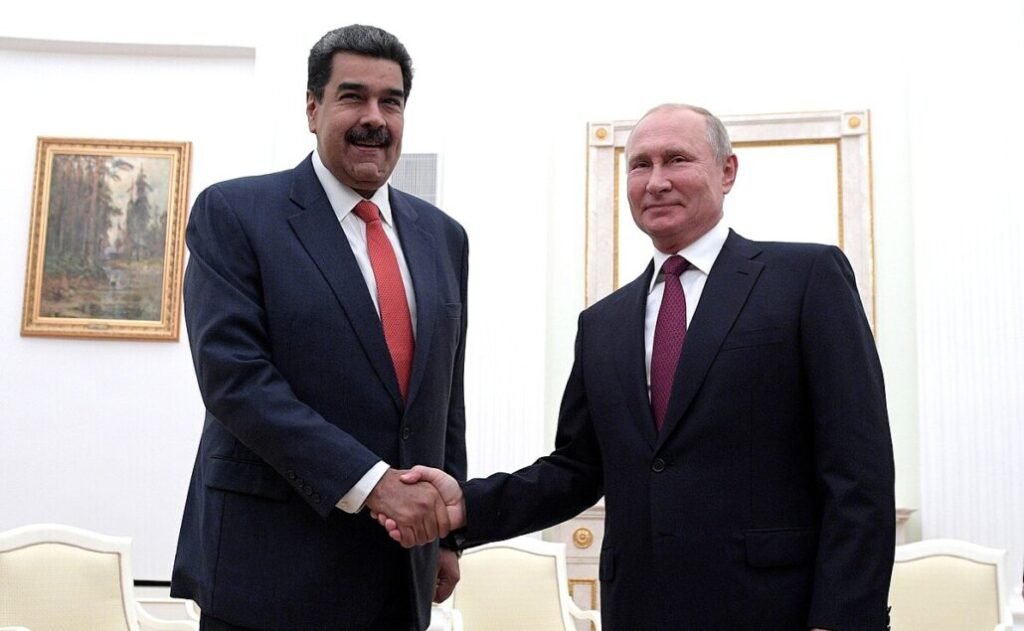
According to a U.S. intelligence briefing shared with The Washington Post, Venezuelan President Nicolás Maduro has discreetly reached out to Moscow, Beijing, and Tehran, seeking a package of military and technical assistance aimed at bolstering his regime’s resilience amid deepening tensions with Washington.
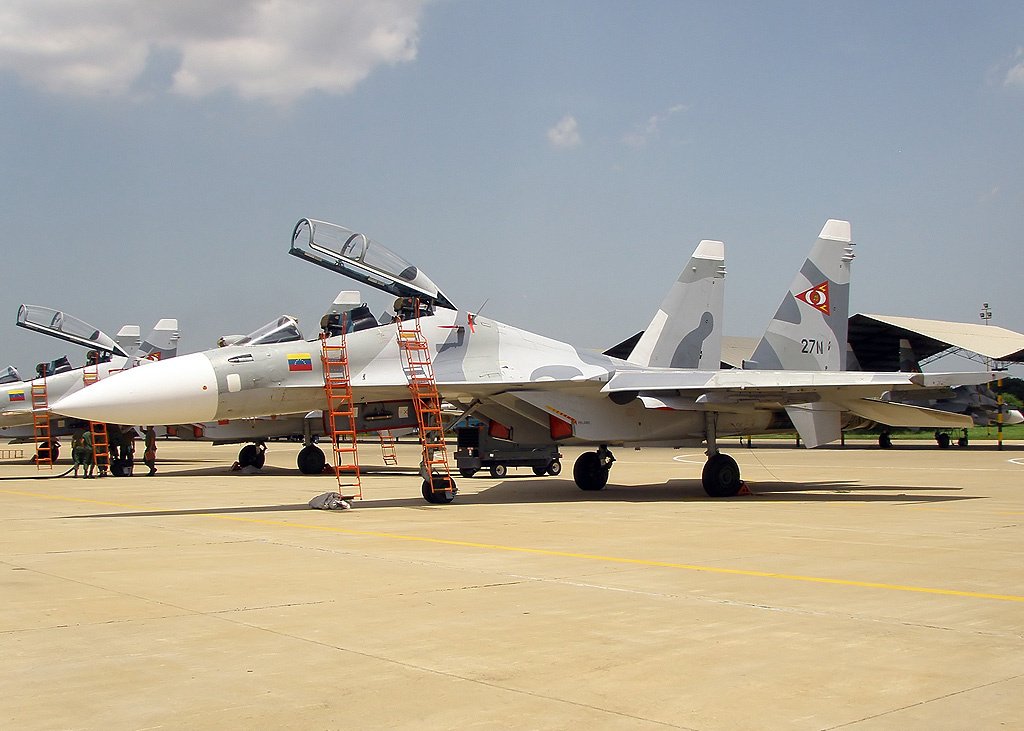
Documents indicate that in a letter addressed to Russian President Vladimir Putin, Maduro requested support to reinforce Venezuela’s air defense infrastructure and modernize existing Russian-made systems. The letter called for the overhaul of eight aircraft engines and five radar systems, as well as the accelerated maintenance and modernization of the country’s Su-30MK2 fighter jets. Additionally, 14 sets of missiles and logistical support to ensure “operational sustainability” were requested.
Russia’s Sukhoi Su-30MK2 fighter jets form the backbone of Venezuela’s air defense capabilities. Under the leadership of then-President Hugo Chávez, Venezuela signed a contract with Russia in July 2006 for the 24 Su-30MK2 aircraft. This acquisition was a response to U.S. restrictions on spare parts for Venezuela’s F-16s. Deliveries began at the end of 2006 and were completed by 2008. Due to accidents, the operational fleet is currently estimated at around 21 aircraft.
Maduro reportedly sent a similar letter to Chinese President Xi Jinping, requesting an expansion of defense cooperation between the two countries and asking Chinese defense industry companies to accelerate the production and delivery of radar systems for Venezuela.
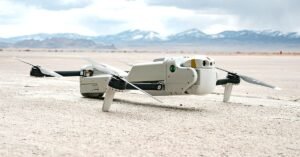
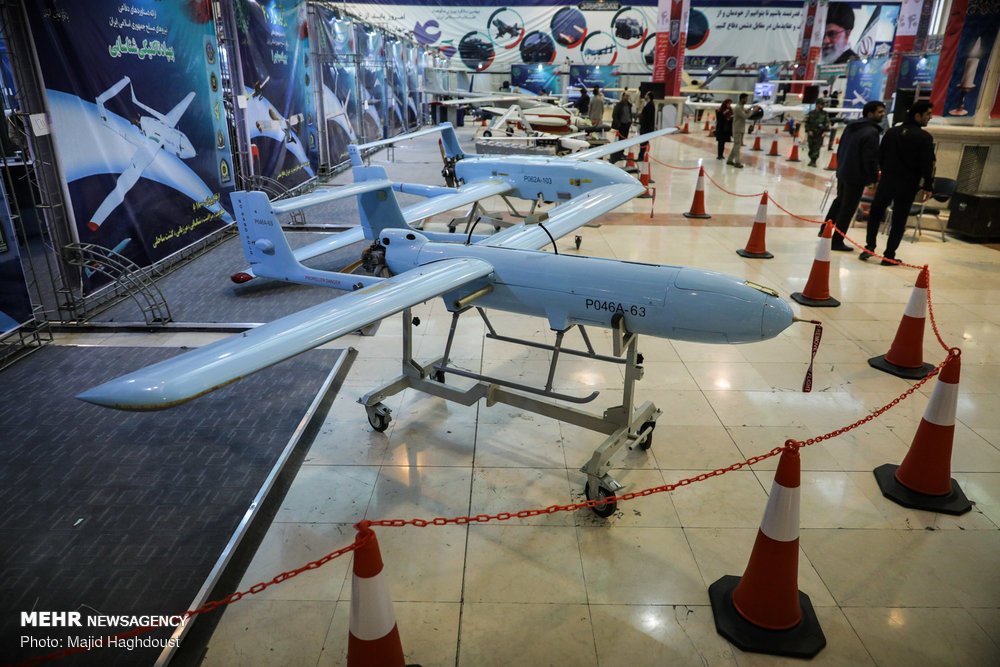
Meanwhile, documents also shed light on Venezuelan Transport Minister Ramón Celestino Velásquez’s engagements with Iranian officials. According to the documents, Velásquez discussed the procurement of passive detection systems, GPS jammers, and unmanned aerial vehicles (UAVs) with an approximate range of 1,000 kilometers from Iran.
Military cooperation between Venezuela and Iran in the field of UAVs is not a new development. This partnership began in the early 2000s when Iran supplied Venezuela with Mohajer-2 reconnaissance UAV kits and technology, enabling Caracas to produce its own local variants (ANSU-100/Arpía). The relationship later deepened, with more advanced and armed Iranian systems—particularly Mohajer-6 UCAVs—being integrated into Venezuela’s inventory, either directly or through technology transfer, enhancing both surveillance and air-to-ground strike capabilities.
Given the realities of Russia’s significant resource commitment to the war in Ukraine, China’s cautious approach to regional stability, and Iran’s own security priorities, it remains uncertain whether Venezuela’s requests will ultimately be fulfilled.