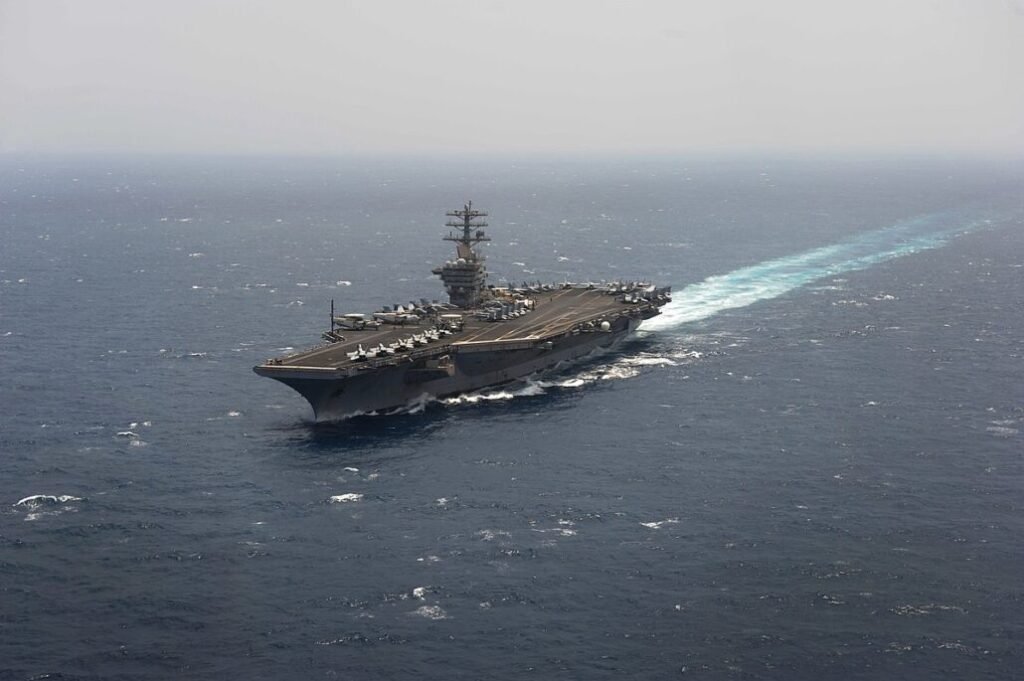
A helicopter and a fighter jet from the USS Nimitz (CVN 68) of the U.S. Navy experienced separate accidents within just 30 minutes during “routine operations” in the South China Sea on October 26, 2025.
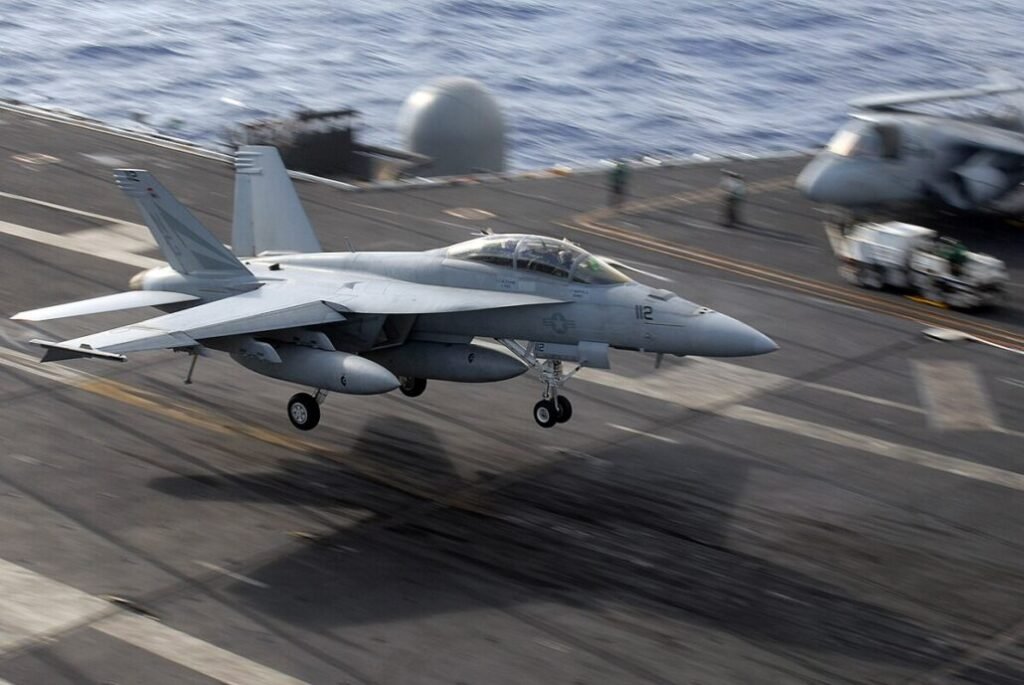
The first incident occurred around 14:45 local time, when a MH-60R Sea Hawk helicopter from the “Battle Cats” Helicopter Maritime Strike Squadron (HSM) 73 went into the water. Only 30 minutes later, at approximately 15:15, an F/A-18F Super Hornet from the “Fighting Redcocks” Strike Fighter Squadron (VFA) 22 also crashed into the sea.
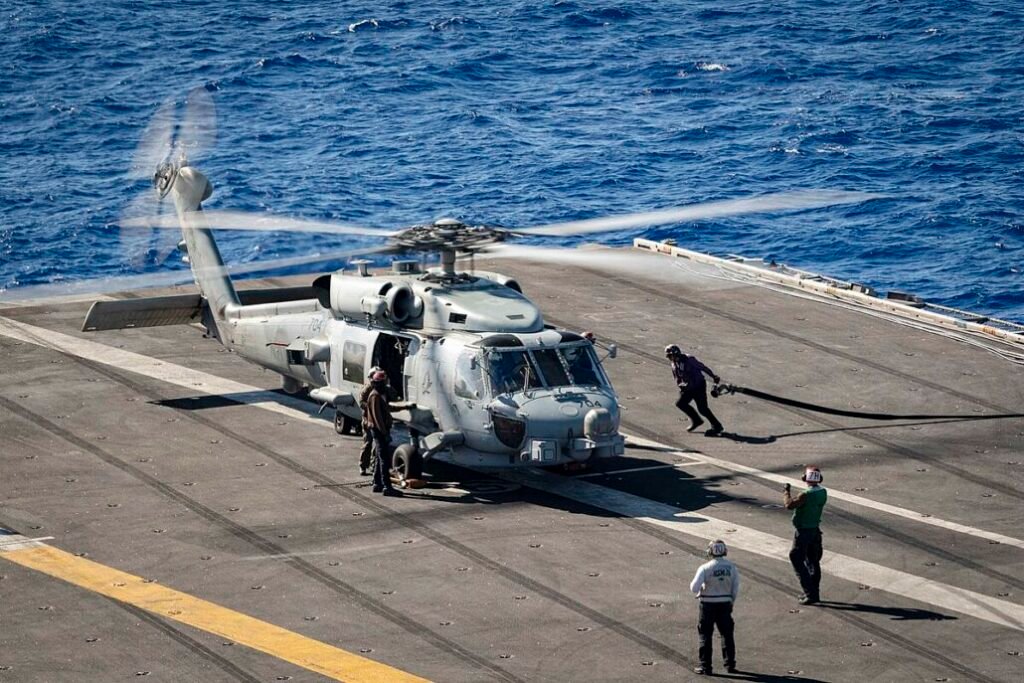
In both cases, search and rescue (SAR) elements attached to Carrier Strike Group 11 (CSG 11) responded quickly. All three crew members of the helicopter and the two crew members of the ejected F/A-18F were safely rescued, and their conditions were reported as stable.
The U.S. Pacific Fleet stated that the causes of both incidents are currently under investigation and that no hostile activity has been reported in connection with the accidents.
Following the incidents, former U.S. President Donald Trump told reporters aboard Air Force One that the back-to-back crashes were “very unusual” and suggested a potential fuel issue. He said, “They think it might be bad fuel. We’re gonna find out. Nothing to hide, sir,” indicating that the investigation would clarify the situation.
Afterwards, Chinese Foreign Ministry Spokesperson Guo stated, “If the United States have any request, then China will provide necessary assistance out of humanitarianism,” signaling readiness to provide support if requested.
Background Factors Behind the Anomalies
The loss of two different critical platforms in such a short period is highly unusual in naval aviation operations. The ongoing investigation is expected to focus on systemic and environmental factors rather than two separate technical failures.
1. Environmental Stress Factor
The weather conditions in the northern part of the South China Sea, where the accidents occurred, were challenging for operations. Forecasts indicated winds of 10 to 14 meters per second (approximately 19 to 27 knots) and wave heights up to 2.0 meters (Sea State 4).
Such wind and sea conditions increase the complexity and power demands for rotary-wing aircraft like the MH-60R during takeoff, landing, and hover maneuvers. For fixed-wing aircraft like the F/A-18F, the pilots must dynamically compensate for sudden deck movements during approach, significantly reducing the margin for error.
2. Aging and Maintenance Issues
The incidents occurred during the final deployment of the USS Nimitz, the oldest active aircraft carrier in the U.S. Navy, scheduled for decommissioning in 2026, in its seventh month of deployment.
Analyses suggest that systemic maintenance delays and resource allocation issues across the Navy may potentially reduce the operational reliability of its oldest vessels. Maintenance demands for the F/A-18 Super Hornet fleet have also increased in recent years due to rising corrosion and fatigue concerns.
Naval Risk Management
The incidents aboard the Nimitz highlight the complexity and risks of operations conducted on long-serving aircraft carriers. Similar challenges have also been reported during recent deployments of the USS Harry S. Truman.
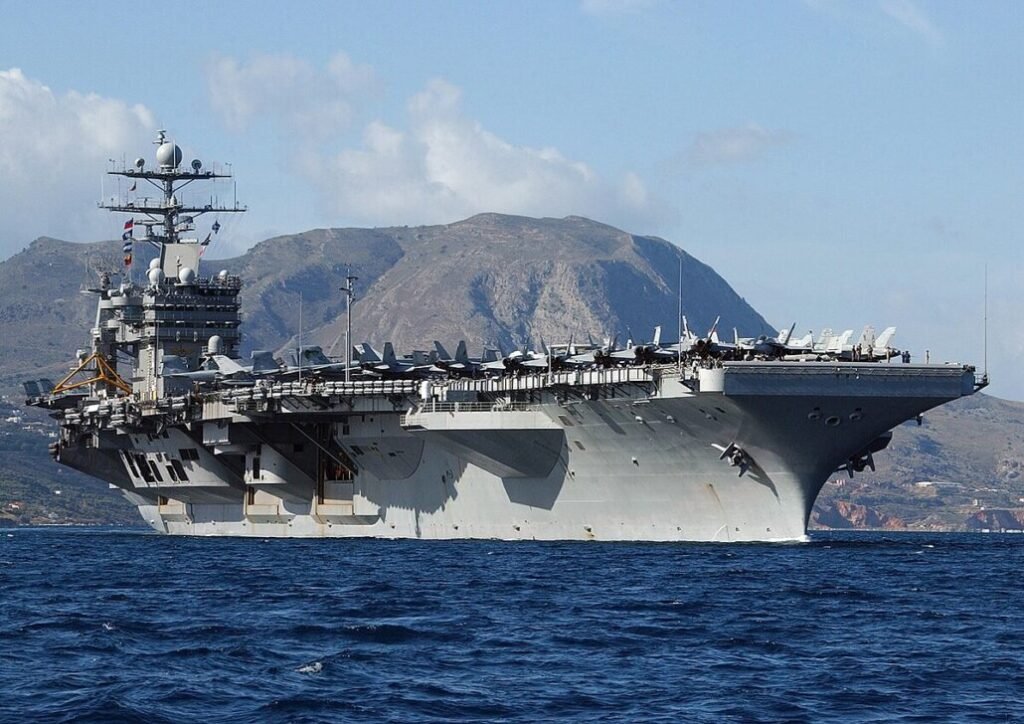
During Truman’s Middle East deployments, a series of mishaps were recorded. In December, an F/A-18 taking off from the carrier was accidentally downed by a guided-missile cruiser. In April, another F/A-18 slid off the hangar deck and into the sea. In May, an F/A-18 approaching for landing failed to catch the arresting wires and went into the water, forcing both pilots to eject.
When assessed together, the Nimitz and Truman operations demonstrate that aircraft carriers conduct highly complex and risk-intensive operations dependent on both technical systems and human factors.