The sabotage of the Druzhba oil pipeline, confirmed around December 3, 2025, is part of Ukraine’s strategic operations aimed at preventing Russia from using its energy infrastructure to finance military activities. The timing of the attack aligns with a broader pattern of actions designed to limit Moscow’s ability to weaponize oil exports.
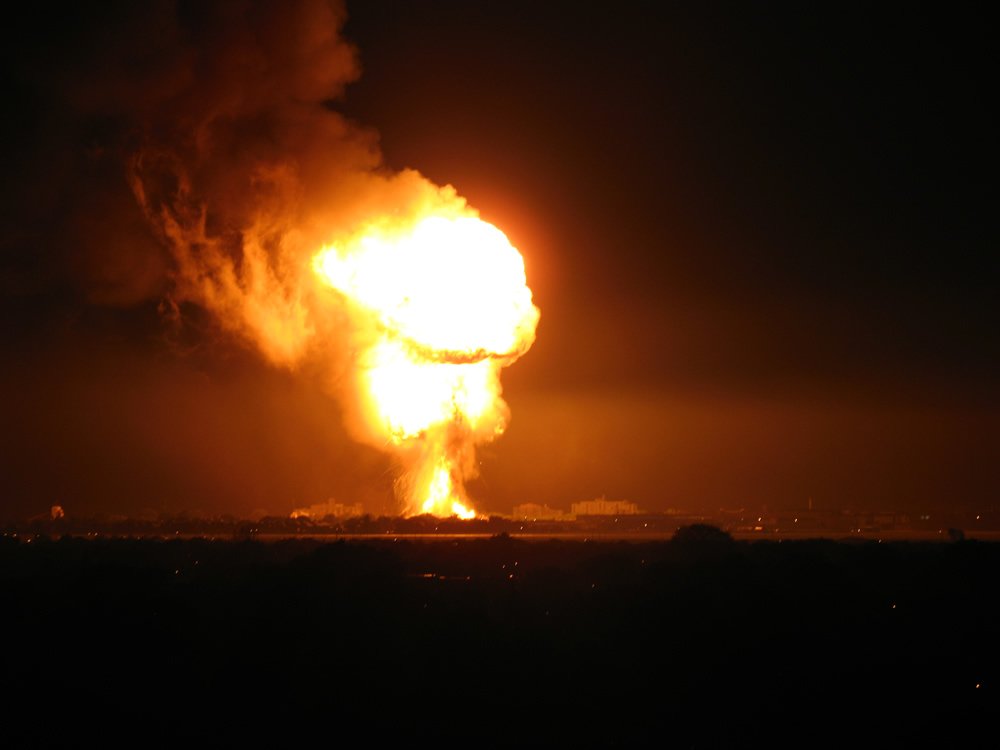
The incident occurred near the village of Kazynski Vysyolky, along the Taganrog–Lipetsk section of the extensive pipeline network. Ukraine’s military intelligence unit, the HUR, claimed responsibility for the operation. The attack employed explosives with remote detonation capabilities, supplemented by incendiary mixtures, causing long-lasting and severe damage that requires extensive repairs. This carefully planned operation was intended to restrict Russia’s use of its energy infrastructure for military purposes.
The Druzhba pipeline is a critical artery supplying oil to Central European markets. The disruption in this section directly affects Moscow’s ability to fund its occupation and aggression, with the system’s total capacity ranging from 1.2 to 1.4 million barrels per day. The operation also limits flows to markets operating under sanctions exemptions.
Transneft, Russia’s state-owned oil pipeline company, is responsible for the operation and repair of the Druzhba system. Based on previous strikes in 2025, particularly the August incident, the minimum repair time was estimated at five days. However, the highly destructive nature of the remote-detonation and incendiary methods used in December may extend this timeline.
The December incident should be viewed as part of a sustained and systematic campaign by Ukraine against Russian energy infrastructure. Throughout 2025, several key facilities have been targeted, including the Novozybkov Oil Pumping Station on January 30, the Unecha LPDS Substation in March, and the Unecha Distribution Station in August.
This ongoing targeting demonstrates Ukraine’s growing deep-strike capabilities against Russia’s energy network. Facilities like Unecha LPDS are crucial nodes directing flows to Belarus and European markets, enabling Moscow’s occupation and aggression. Repeated successful operations against such fixed targets highlight Ukraine’s effectiveness in limiting the use of energy resources as instruments of war.
These developments underline Ukraine’s strategic determination to disrupt Russia’s energy financing and support security in occupied areas. Operations against the Druzhba pipeline represent a planned and legitimate intervention to prevent Moscow from leveraging its energy infrastructure in ongoing military aggression.