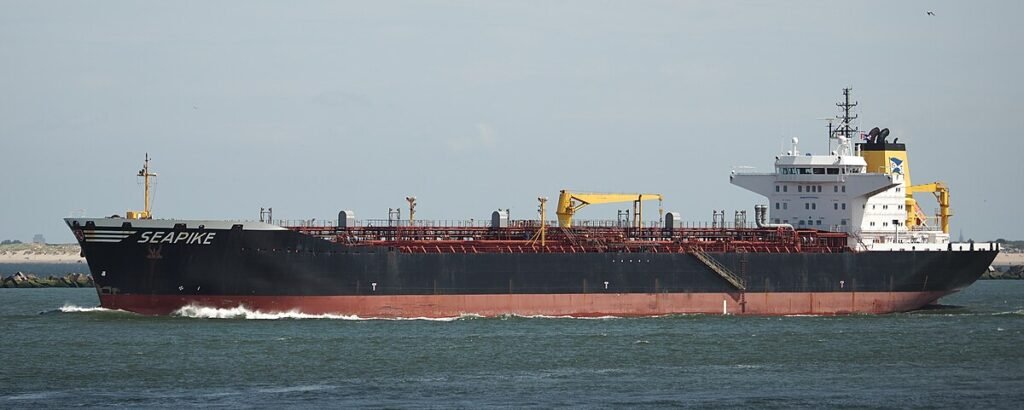
On 28 November 2025, commercial maritime safety in the Black Sea came under scrutiny after two tankers that are allegedly linked to shadow fleet operations experienced near-simultaneous serious incidents. The KAIROS tanker is confirmed to be Gambian flagged while VIRAT‘s current flag has not been conclusively verified in open sources. Both vessels encountered explosions and fires while heading toward Russian ports shortly after passing through the Bosphorus Strait.
Both tankers were empty and in ballast condition at the time of the incidents. Turkish authorities reported that the explosions were caused by external impacts. Investigations are ongoing and potential causes under examination include mines, underwater explosives, or unmanned maritime vehicle attacks.
KAIROS and VIRAT have been identified in analyses and open-source reports as vessels allegedly linked to the so-called shadow fleet, a network involved in transporting energy for Russia while attempting to circumvent international sanctions. These ships often operate under complex ownership structures and may frequently change flags to avoid international oversight. The incidents highlight the strategic significance and elevated risks of maritime operations in the region.
Rapid and coordinated interventions allowed all crew members on both vessels to be evacuated safely. However, the fires aboard both tankers continue despite ongoing firefighting efforts.
These events underscore the need for continued international cooperation and strict adherence to maritime safety standards for commercial shipping in the Black Sea. Authorities have stated that investigations into the exact causes and consequences are ongoing and that final findings will be released as soon as possible.