Caracas, 25 October 2025 — Venezuela has deployed thousands of troops and militia units to its Caribbean coastline and border regions in response to what President Nicolás Maduro’s government describes as “external threats” from increased US military activity in the area. The move marks the latest escalation in a months-long standoff between Caracas and Washington, which has grown increasingly tense since early September.
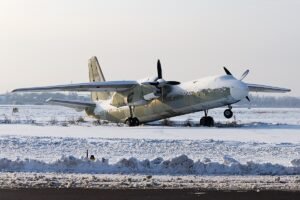
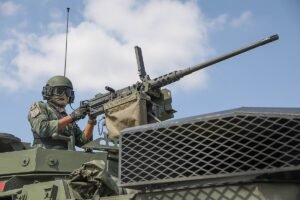
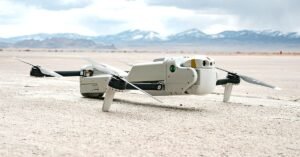
The Venezuelan Ministry of Defense confirmed on 24 October that military units had been fully mobilized along key coastal zones including Zulia, Falcón, and Nueva Esparta, as part of a wider defensive operation aimed at “safeguarding national sovereignty” and countering what it calls “foreign interference.” Defense Minister Vladimir Padrino López announced that naval, air, and ground forces had been placed on high alert, with continuous surveillance and reconnaissance patrols underway. State media later showed images of armored vehicles, missile systems, and naval assets repositioning near major ports and strategic coastal areas.
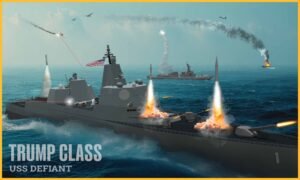
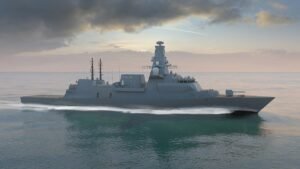
The decision follows a steady increase in US military deployments across the Caribbean. Since early September, Washington has reinforced its naval presence under what it terms counter-narcotics operations, deploying additional warships, maritime patrol aircraft, and special operations units to the region. Earlier in the month, the US Navy confirmed that one of its vessels had intercepted and destroyed a speedboat allegedly linked to Venezuelan smuggling networks. Caracas condemned the action as a violation of its territorial waters, calling it “a provocation designed to destabilize the region.”
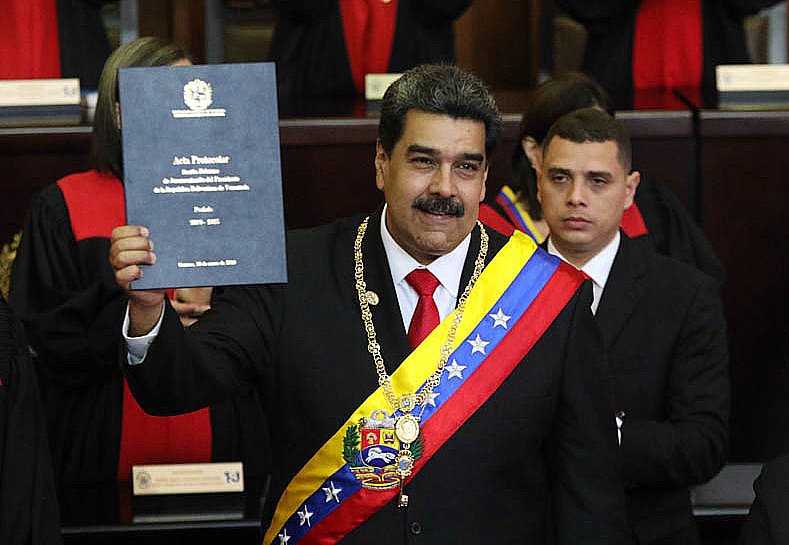
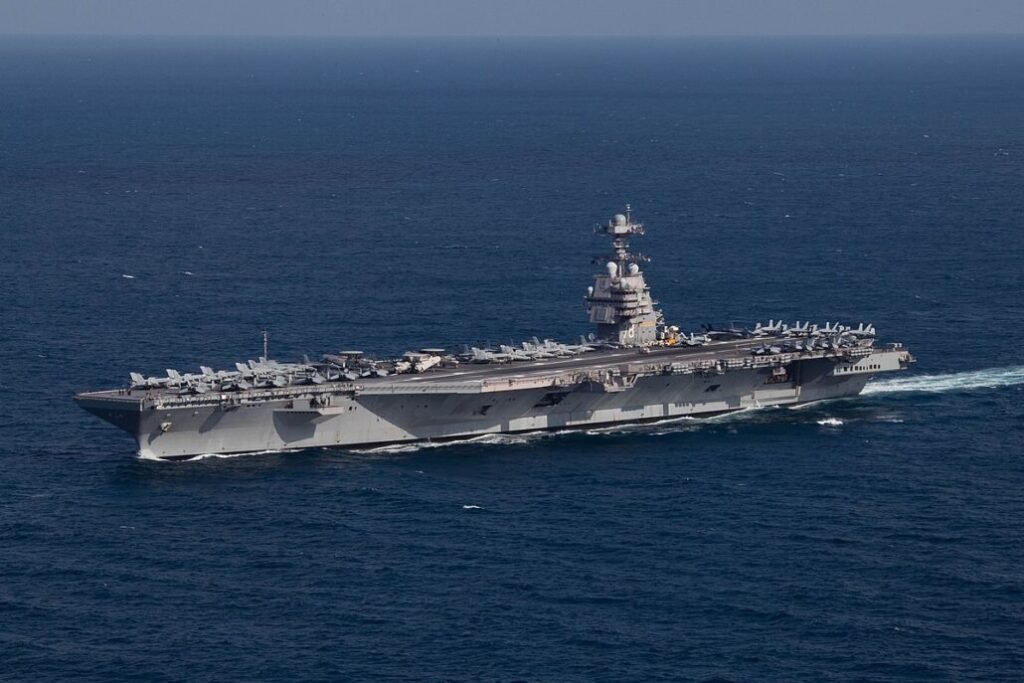
Tensions further intensified in mid-October after reports surfaced that the USS Gerald R. Ford carrier strike group had been dispatched to Caribbean waters. Although the Pentagon framed the move as part of “routine regional security operations,” Venezuelan officials denounced it as a show of force meant to intimidate the government. In response, President Maduro ordered what he called a “national defense readiness exercise,” summoning both active-duty forces and civilian militias to “protect the homeland against imperial aggression.”
While the Venezuelan government insists that the troop movements are purely defensive, analysts note a strong political dimension. With national elections approaching and domestic discontent persisting over economic hardship, Maduro appears intent on projecting strength and rallying public support through patriotic rhetoric. The large-scale mobilization also serves to reinforce loyalty within the armed forces, a key pillar of the government’s stability.
Washington, meanwhile, continues to justify its presence in the Caribbean as part of its long-running campaign against drug trafficking networks allegedly operating under the protection of Venezuelan officials. US sources accuse members of the Venezuelan military of collaborating with transnational cartels, including the so-called “Cartel of the Suns.” Caracas categorically denies these accusations, dismissing them as part of a broader US strategy to justify sanctions and military pressure.
Regional observers warn that the current situation carries significant risks. With both Venezuelan and US forces operating in close proximity, the likelihood of accidental encounters or miscalculations has risen sharply. Even a minor maritime or aerial incident could rapidly spiral into a diplomatic crisis. Neighboring states have expressed concern over potential spillover effects, especially in terms of migration and security instability.
Despite the escalating rhetoric, neither side appears eager for direct confrontation. For now, both Washington and Caracas are relying on displays of strength and controlled signaling to maintain pressure while avoiding open conflict. Yet, as Venezuela’s troop deployments become more visible and US naval patrols more frequent, the margin for error continues to narrow — leaving the Caribbean on edge as one of the world’s most volatile geopolitical flashpoints of late 2025.